Natural Climate Solutions: what they are, why they matter, and why we are investing in them

Climate change is one of the defining challenges of our time. But some of the most powerful climate solutions aren't waiting for futuristic technologies; they are in the ecosystems and practices that already exist in nature.
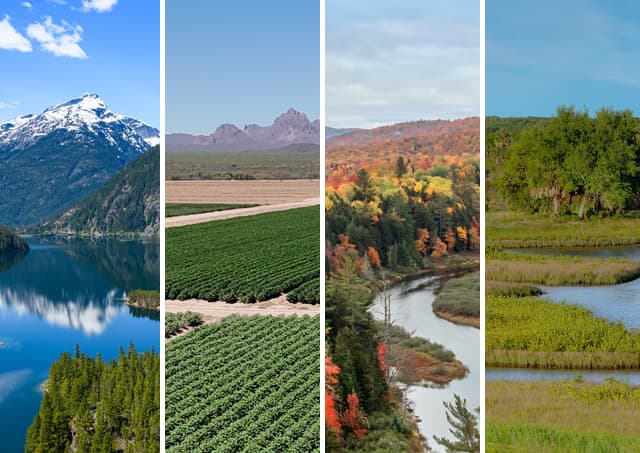
Forests, grasslands, wetlands, agricultural lands, rivers, and coastal ecosystems naturally absorb and store carbon. When these landscapes are protected, restored, and managed in climate-additional ways, they can play a significant role in addressing climate change while also supporting a range of co-benefits for people and wildlife.
These efforts are known as Natural Climate Solutions (NCS), deliberate actions that protect, restore, or improve the management of ecosystems in ways that reduce greenhouse gas emissions or increase carbon storage. At Allen Family Philanthropies, we believe NCS represents one of the most promising opportunities to address biodiversity loss and climate change, while also creating benefits that directly and positively impact human communities.
What Are Natural Climate Solutions?
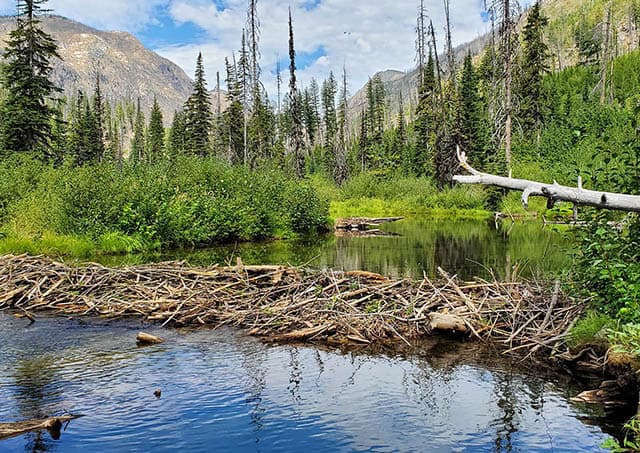
Natural Climate Solutions are not a single project type or ecosystem management practice; they are a broad set of approaches that work with ecosystems to deliver measurable climate benefits. There are a range of NCS pathways that can include restoring wetlands, improving forest management, reducing the degradation of natural habitats, supporting regenerative agricultural practices, restoring grasslands, or implementing cultural and prescribed fire where appropriate.
What makes these activities "natural climate solutions" is not simply that they occur in nature. They must also be intentionally designed to reduce emissions or remove carbon from the atmosphere while maintaining the health and integrity of ecosystems and communities.
As researchers note in The Principles of Natural Climate Solutions, NCS are fundamentally about human stewardship of ecosystems. They are actions people take to care for landscapes in ways that generate meaningful climate outcomes.
Why Do Natural Climate Solutions Matter?
The climate challenge is urgent, and there are many opportunities to achieve important outcomes by working locally, ecosystem-by-ecosystem, to advance critical mitigation action. Research shows NCS can deliver a third of the climate mitigation needed by 2030 if they are deployed rigorously and rapidly. In other words, if we want to reach climate goals, protecting and restoring natural systems must be a key part of the solution. But carbon is only part of the story: Well-designed Natural Climate Solutions can also:
Improve habitat for wildlife and support biodiversity
Strengthen climate resilience through healthier ecosystems
Improve water quality and watershed function
Support food production and working lands
Benefit local economies and communities
Advance Indigenous stewardship and self-determination
A single project can produce multiple positive outcomes, making NCS one of the few climate approaches capable of delivering environmental, social, and economic benefits simultaneously that lead to local and global benefits.
Not All Nature-Based Projects Are Equal
As funding interest in Natural Climate Solutions has grown, so has confusion about what qualifies as a high-integrity NCS project.
The terms "natural climate solutions" and "nature-based solutions" are often used interchangeably, but what matters most is not the terminology, but that these projects adhere to five foundational principles that define high-integrity Natural Climate Solutions. These principles help maximize the potential NCS projects to have an impact and are done so equitably and with co-benefits in mind. Projects that don't may be improperly designed or implemented, have overstated climate benefits, and even be disconnected from the needs of local communities. All of this can undermine trust, misallocate resources, and slow progress in combatting climate change. To address this, researchers identified
1. Nature-Based
NCS work with ecosystems rather than pushing them further from their natural state. They build on ecological processes rather than replacing them.
2. Sustainable
They must sustain biodiversity, food production, working lands, and climate adaptation benefits over time.
3. Climate-Additional
The climate benefit must be real and additional. In other words, the mitigation would not have happened without the project.
4. Measurable
Climate outcomes must be quantified using rigorous methods, with transparency around uncertainty and impacts.
5. Equitable
Projects must respect human rights and Indigenous self-determination while ensuring communities benefit from the work.
These principles form the foundation of how Allen Family Philanthropies thinks about Natural Climate Solutions and what we mean when we talk about "high-integrity" NCS. The principles are reflected in our recent funding of projects specific to Pacific Northwest ecologies and an upcoming announcement of grantees and projects that tackle the barriers to implementing NCS solutions across the United States.
Why Allen Family Philanthropies Is Investing in NCS
Natural Climate Solutions are not limited by a lack of promising ideas. More often, they are limited by barriers to implementation.
Recent research highlighted obstacles ranging from financing and markets to knowledge gaps, regulations, community engagement challenges, and technology limitations.
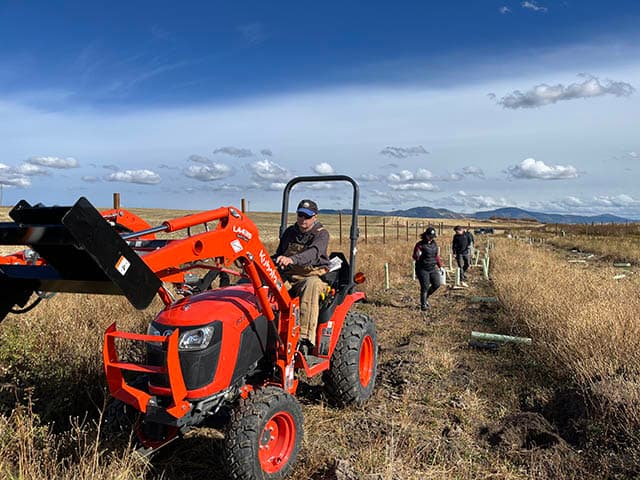
That's why our latest initiative focuses on accelerating NCS implementation through science and technology. We are supporting efforts that bring together scientists, practitioners, Indigenous leaders, communities, landowners, and other stakeholders to develop practical solutions that can overcome barriers and help high-integrity Natural Climate Solutions scale more quickly and effectively.
We believe the greatest opportunity lies not simply in proving that NCS work, but in helping them work in more places, for more local communities, and at the speed required by the climate challenge.
Looking Ahead
Natural Climate Solutions are not a replacement for reducing fossil fuel emissions or other massive, global systems changes required for preserving planetary health, but they are a critical complement to those efforts. When grounded in science, implemented with community support, and measured with rigor, Natural Climate Solutions can help address climate change while strengthening the ecosystems and the communities that depend on them.
The challenge now is accelerating NCS adoption responsibly. That's the work we hope to support, and why we believe Natural Climate Solutions are one of the most compelling opportunities in environment-focused philanthropy today.