The Hero’s Journey at the Heart of Wild Salmon Center’s Work
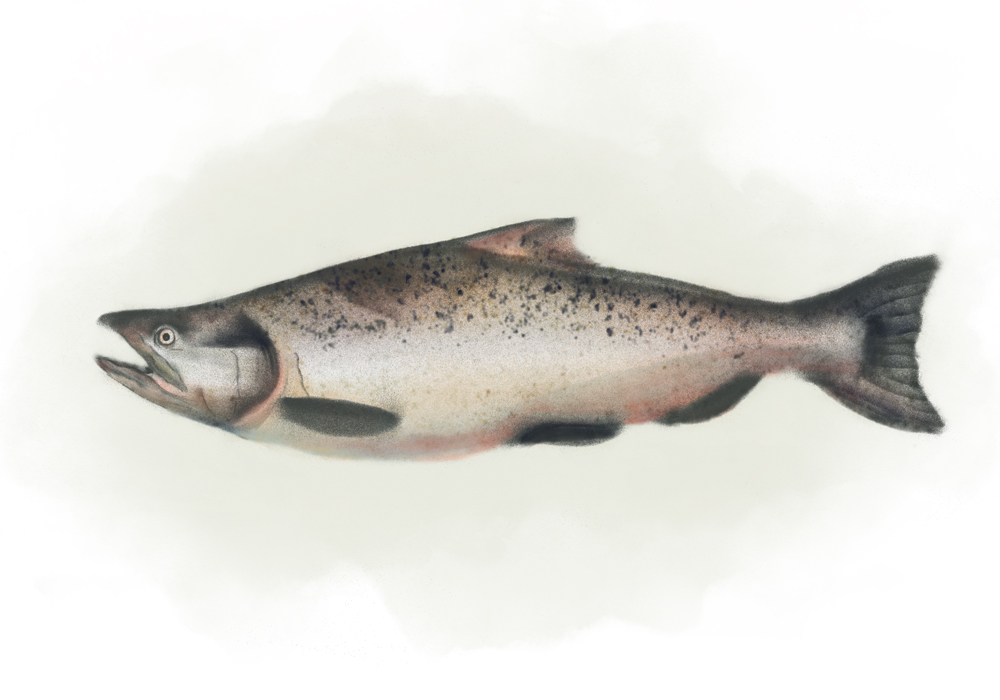
It’s hard to overstate the importance of salmon. For many communities across the Pacific Northwest and beyond, salmon are not just a food source; they are an integral component of culture and survival. Some researchers even suggest that the predictable abundance of salmon may have helped make possible the “peopling of North America,” sustaining societies since the end of the last Ice Age. In many rural and Indigenous communities, fishing is not merely an economic activity, but a way of life. Knowledge of salmon life cycles is passed down from generation to generation, and wild salmon runs impact everything from the wellbeing of other species to the wine we sip.
This keystone species’ life cycles are somewhat a miracle themselves: Salmon are born in freshwater streams, and from there, millions migrate to the ocean before returning, often right to the very spot they hatched, to spawn. The timing of these “salmon runs” are scattered and diverse, occurring in different seasons and ensuring not all fish face the same dangers at once. But the effects of climate change have begun to disrupt this routine, as well as the massive web of creatures and ecology that are impacted by it. Because salmon protection is so important, the Wild Salmon Center scientists are focused on understanding these changes and working on science-based solutions with fisheries managers and fishing communities.
Wild Salmon Center (WSC) is an international nonprofit organization dedicated to the conservation of salmon and the protection of the world’s salmon strongholds – the best remaining salmon watersheds in the North Pacific. Founded in 1992, the organization works across the region to secure lasting protections for salmon habitat, promote science-based wild fish management, and support local organizations and salmon stewards. Recognizing salmon as vital to ecosystems, economies, and human wellbeing, WSC focuses on the proactive: fighting to stop projects that will harm salmon habitat now to avoid the need for costly restoration down the line.
We spoke with Matt Sloat, PhD, Science Director at WSC. Matt, along with Tasha Thompson, PhD, Conservation Geneticist, lead a team of scientists focused on bringing new genetic tools to conservation strategy, and the policies in place to protect salmon over the long-term. Matt's work bridges conservation research with salmon communities, including strengthening partnerships with Indigenous Tribes whose lives and cultures are deeply connected to these fish.
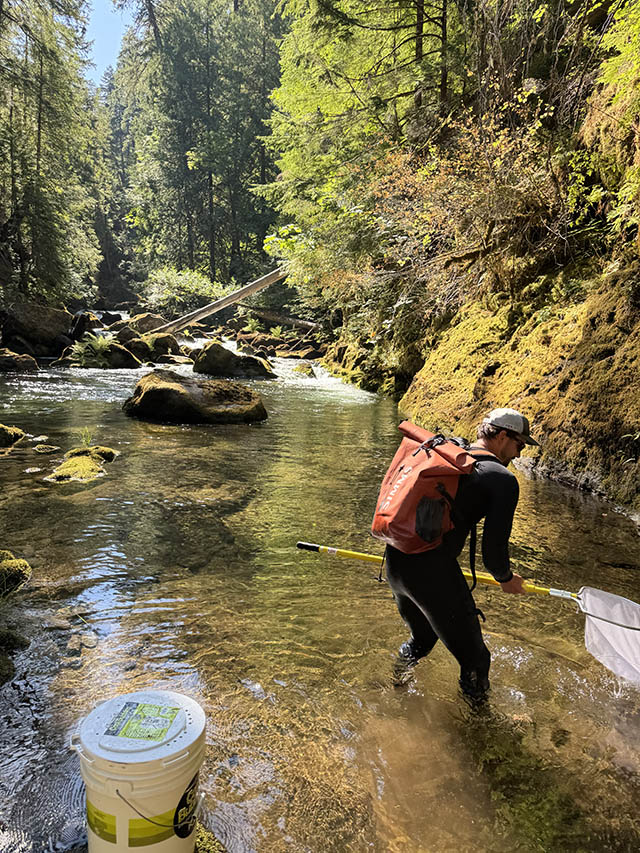
Matt grew up in Alaska, where, like many other places on the Pacific Coast, the role of salmon was both a food source and a way of life. He shared that while salmon are undoubtedly essential for sustenance, “it’s hard not to get captured by the hero’s journey of salmon,” alluding to their incredible migration from small freshwater streams to the open ocean and back again against all odds. For him, the organization’s impact is about more than protecting a species; it’s about sustaining the rivers, communities, and traditions that depend on them. Matt emphasized that WSC’s mission is to help ensure that healthy salmon runs continue to anchor ecosystems and cultures for generations to come.
New work from WSC is closing the gap between cutting-edge research and on-the-ground conservation practices. The project focuses on salmon genomics, taking new discoveries about the salmon genome and translating them into valuable tools that communities can use in their own watersheds. In partnership with Tribal, nonprofit, and government collaborators, the team is collecting samples for whole genome sequencing, and distilling billions of genetic data points down to a handful of critical traits that directly inform conservation decisions.
One of the most significant breakthroughs from this project has been identifying genetic markers linked to the timing of salmon runs. “The timing of the run is written into the salmon’s genetic code,” Matt explained. That specific genetic sequence has allowed salmon to time their return to when river conditions are best for their survival and the survival of their offspring, but rivers are changing because of climate change and continued development – and that is impacting salmon’s ability to return to spawn.
By sharing genomic run-timing information with Tribes and First Nations, communities can monitor how run timing is changing over time and better understand both fish and people’s ability to adapt; improved monitoring with advanced tools has the potential to improve where and when watershed conservation practices can be implemented successfully. This approach is becoming a standard way to monitor fish populations, helping everyone from Tribal fishing teams and conservationists to biologists and watershed managers. What was once abstract, large-scale genetic research has transformed into a practical and invaluable conservation tool in the hands of Tribes and fishing communities, filling a critical gap in conservation and ensuring safe salmon habitats for generations to come.
With the changing of seasons, salmon will begin their journey back to the rivers and streams they were born in to spawn and begin a new lifecycle. May marks the beginning of spring salmon hitting the market, and for Matt, it’s a time that blends the personal and the professional. He’s looking forward to seeing his sockeye on his dinner plate, serving as a reminder of the deep connection between healthy salmon ecosystems and our own dining room tables. The turn of seasons also signals the start of the field season for WSC, with many scientists and partners excited to head back out to put salmon research into action for this iconic fish.