SPUN is Putting Fungi on the Map
Many of us walk the earth unaware of the busy, resilient ecosystems that exist below our feet. But hidden within the soil is a vast living network of over 2 million fungi that quietly connects and sustains nearly all the plants on Earth.
For approximately 457 million years, plants and mycorrhizal fungi have formed symbiotic relationships that helped shape the evolutionary history of life as we know it—and they continue to play essential roles in Earth’s biosphere today. These fungal networks function like one of the planet’s circulatory systems, and are responsible for drawing 13 billion tons of CO2 into soil systems every year. But while these communities are a cornerstone of ecosystems everywhere, they continue to be largely ignored by climate science.
SPUN asks us to focus on life below the surface.
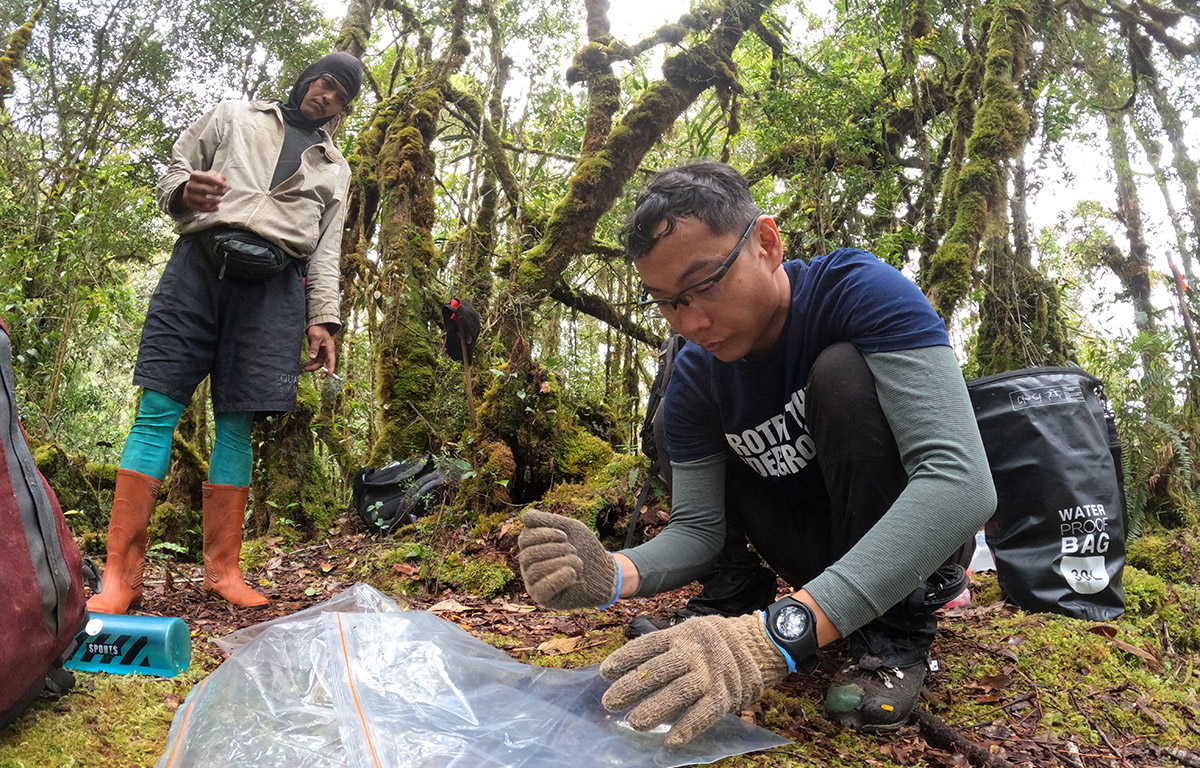
Founded in 2021, the Society for the Protection of Underground Networks, or SPUN, is a nonprofit scientific research organization dedicated to mapping the planet’s mycorrhizal fungal networks and advocating for their protection. Collaborating with scientists worldwide, the organization collects soil samples and generates global datasets to better understand the ecological function and biodiversity of mycorrhizal fungi.
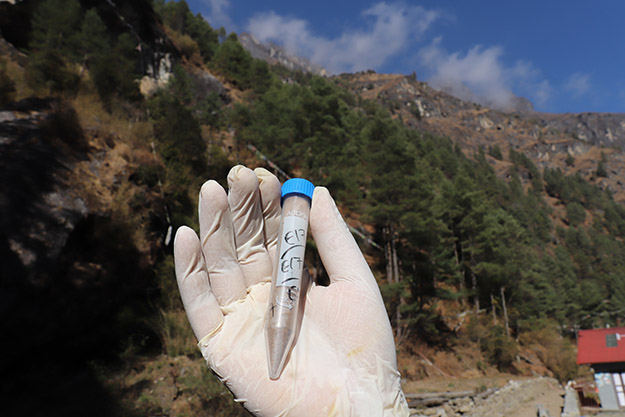
For something so critical to the world’s ecosystems, fungi remain radically understudied. SPUN aims to transform how the world understands these underground networks by incorporating fungi into climate change strategies, conservation policies, and ecological restoration efforts, pioneering a new way of understanding life on Earth. By making their data publicly accessible, and building partnerships with researchers and local communities, SPUN is addressing this issue.
Dr. Toby Kiers, Executive Director and Chief Scientist at SPUN expands on the importance of this mission. “Fungi allow us to reimagine the world. We need that now...we need champions for the invisible, for the parts of the world that are challenging to understand.”
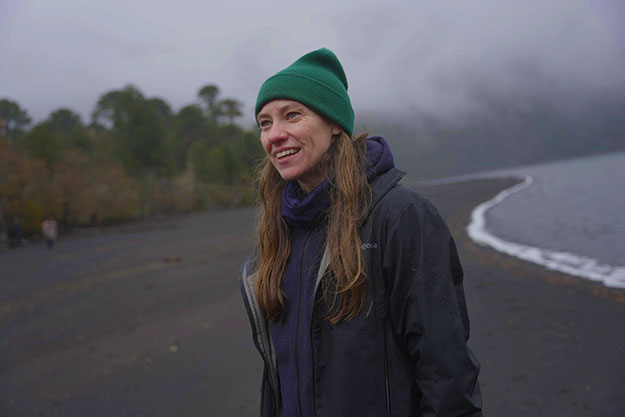
Kiers, based in Amsterdam, is a Professor of Evolutionary Biology and University Research Chair at University of Amsterdam. She was recently honored as a recipient of the MacArthur Genius Award and the Tyler Prize for Environmental Achievement. She is globally recognized for her scientific work in the evolution of symbiotic trade.
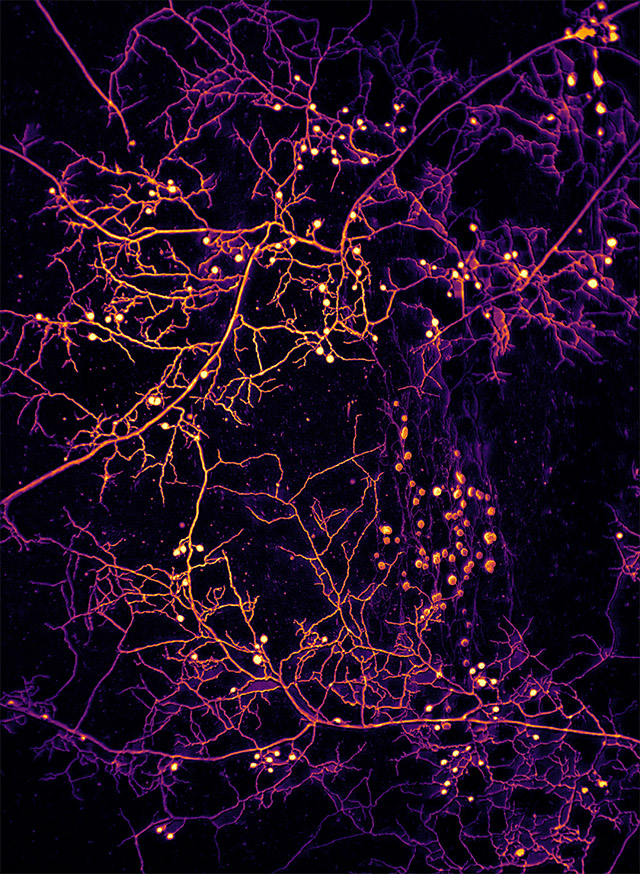
Kiers knows her fungi—and Rhizophagus aggregatus is her favorite. “Rhizophagus aggregatus is a beautiful strain of arbuscular mycorrhizal fungi that we grow in the lab. It creates these beautiful waves of lace as it explores. It’s a diva and you need patience to grow it, but it’s worth the wait.”
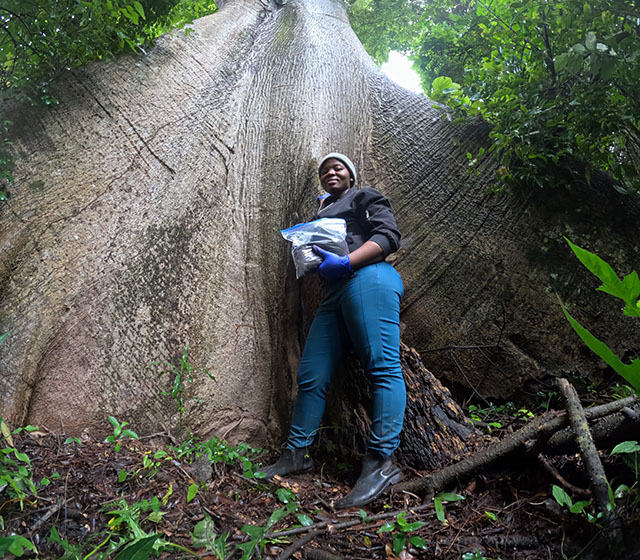
AFP is supporting SPUN’s work by funding their Underground Explorers Program, led by Dr. Adriana Corrales. This initiative brings together a global network of researchers to collect soil samples in some of the most underexplored and remote areas of the world to create the first digital map of mycorrhizal diversity. Beyond mapping, the grant from AFP is also helping SPUN develop a geospatial tool that predicts where environmental pressures, such as deforestation, erosion, agriculture, and urbanization, threaten mycorrhizal communities. Together, these efforts will help identify vulnerable underground ecosystems and guide conservation strategies to better protect them.
Kiers emphasizes that SPUN’s work is already having a tangible impact on communities by equipping local scientists with the tools and resources to study and protect the ecosystems beneath their own land. “This is decentralized science at its best. Local researchers ask questions that outsiders often overlook, pursuing ideas that directly reflect the needs and priorities of their communities.”
This approach is intentionally inclusive. Kiers describes it as “a fungi without borders approach,” noting that more than half of their Underground Explorers are women, many from historically underrepresented backgrounds who have often been excluded from field research.
SPUN ultimately aims to ensure that the discoveries made by local scientists translate into real-world impact. By supporting research that reveals how different fungal species shape carbon cycling, soil health, plant growth, and stress tolerance, the organization hopes these insights will inform better land management and policy decisions. As Kiers notes, “this is a massive and gnarly goal,” but success could transform how communities manage ecosystems and respond to climate change.
To move from discovery to action, SPUN is building tools that make its growing datasets usable for decision-makers. The organization plans to mobilize its rapidly expanding datasets to inform legal decisions and governance efforts that support conservation, ecosystem restoration, climate initiatives, and land rights. Resources such as the Underground Atlas and emerging global maps of mycorrhizal functions could help policymakers, conservationists, and land managers make more informed environmental decisions.
It’s time to literally and figuratively put fungi on the map, and educate others about the role underground biodiversity plays in sustaining the world around us.